






How Masquerade, the Phantom Spin-Off, Sold Out Six Weeks of Previews in Three Hours
Yup. You read that right.
Masquerade, the immersive sequel to The Phantom of the Opera, sold out six weeks of previews in three hours.
Three. Hours.
That’s Beyoncé-level stuff, people. And while I wasn’t surprised (I was watching it like a hawk), it still got me thinking:
What exactly made that happen?
I’ve got three reasons why Masquerade pulled off what 99% of new theatrical productions only dream of doing.
1. A Beloved, Iconic IP
This is a no-brainer. The Phantom of the Opera isn’t just popular—it’s legendary.
One of the most successful and longest-running musicals of all time. Based on a novel with 100+ years of history and global recognition.
You cannot beat that kind of built-in awareness. It’s theatrical royalty.
When you’ve got an IP that strong, people don’t need to ask, “What is this?” They already know. Instead, they ask, “When can I get in?”
2. A Fresh Take That Feels Now
This isn’t just Phantom 2: Electric Boogaloo.
Masquerade is immersive. It’s mysterious. We don’t know exactly what it is—and that’s the point.
It’s playing in the same sandbox that Sleep No More, Then She Fell, and The Burnt City built—and younger audiences are here for it. Why? Because they want to experience theater, not just watch it.
There’s also that FOMO factor. The secrecy. The vibe. The cool quotient.
It’s Phantom, but it’s new. That’s catnip for fans of the original and the next-gen theatergoers looking for something edgy and relevant.
3. Classic Velvet Rope Marketing
Now here’s where I really tip my hat.
The Masquerade team didn’t just open the ticketing floodgates. Oh no. They made people wait.
They teased. They tempted. They whispered.
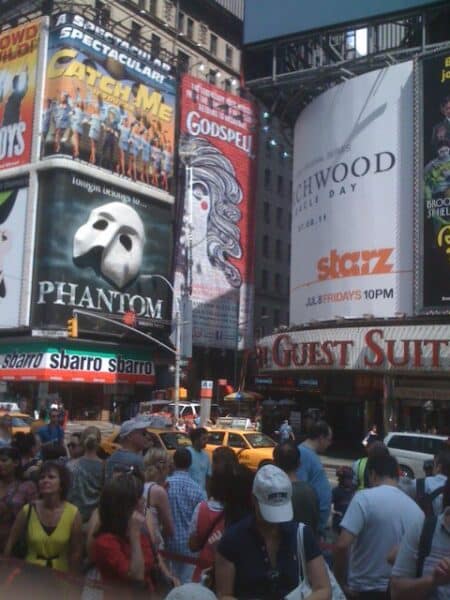
They launched a registration list for early access. They dropped cryptic messages—“You thought I had left you for good”—signed “The Phantom” on billboards in Times Square. ALW himself popped up in videos.
It was smart. It was strategic. And it built a frenzy.
This is textbook velvet rope marketing—where scarcity meets exclusivity meets buzz—and it works. Especially when you limit supply (like, say, to only six weeks of previews).
By the time tickets went on sale, it wasn’t just demand. It was a stampede.
What You Can Learn From This (Even If You Don’t Have a Mega IP)
Now, sure—if your show is connected to the most famous mask-wearing tenor in musical history, that helps.
But here’s the good news: even if you don’t have Phantom-level IP, you can still take a page from this playbook.
- Lean into what’s unique about your show. The world doesn’t need more of the same.
- Build curiosity. Don’t reveal everything. Make them want to find out more.
- Use velvet rope tactics. Registration lists. Limited runs. Exclusive access. Scarcity is powerful.
The team behind Masquerade are the same folks who brought us Sleep No More and The Donkey Show. They’ve been doing this kind of marketing for years.
And guess what?
It works every time.
So next time you’re thinking about how to launch your show, ask yourself . . .
“What’s my velvet rope?”
Because sometimes, what keeps people out . . .
Is exactly what makes them want in.
Enjoy this type of content? Check out my social media where I share daily insights on the industry, post updates on musicals and plays I am involved in, and more!
Instagram: @kendavenportbway
TikTok: @kendavenportbway
YouTube: @kendavenportbway
LinkedIn: @kendavenport
Facebook: @kendavenport


Podcasting
Ken created one of the first Broadway podcasts, recording over 250 episodes over 7 years. It features interviews with A-listers in the theater about how they “made it”, including 2 Pulitzer Prize Winners, 7 Academy Award Winners and 76 Tony Award winners. Notable guests include Pasek & Paul, Kenny Leon, Lynn Ahrens and more.